Contact us
Office
755 Stanley Street, Woolloongabba
Brisbane, QLD 4102, Australia
housing@ndis.property
Phone
1300-259-740
Write to us
Contact Us
Journal
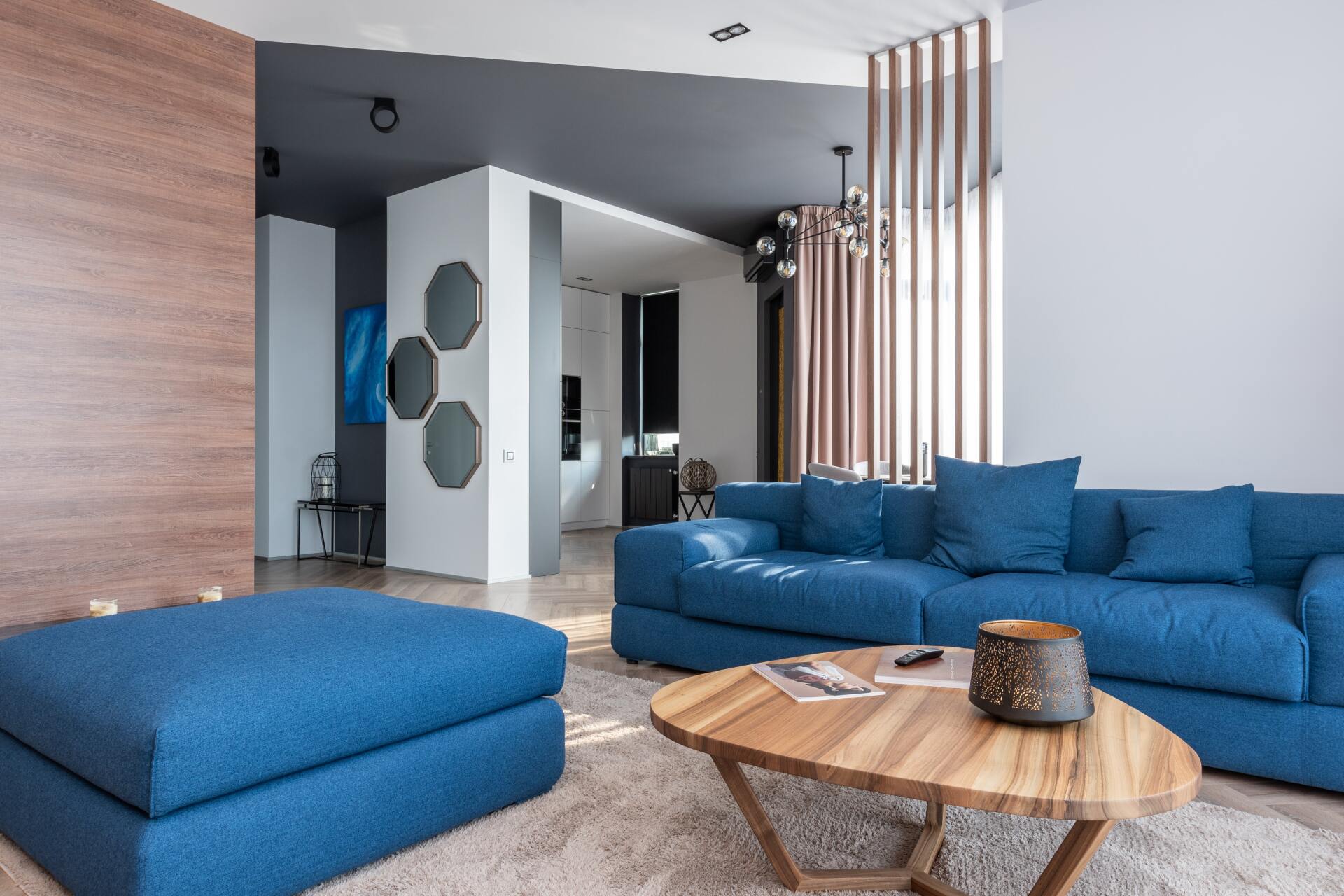
Specialist Disability Accommodation (SDA) was introduced to give people with extreme functional impairment or very high support needs the chance to live in purpose-built, accessible homes. On paper, demand far outweighs supply - yet in many regions, SDA properties are sitting vacant for months or even years. So, why is this happening? Let’s unpack the key factors. 1. Location Mismatch Many SDA developments have been built where the land was cheapest or most available — not necessarily where participants actually live or want to move. Participants may have strong ties to their current community, family, and support networks, making relocation a major barrier. 2. Oversupply in Certain Property Types In some areas, there’s a glut of one specific SDA category, such as High Physical Support apartments, while there’s almost no stock for other funding categories like Fully Accessible or Improved Liveability. This leads to a strange imbalance — vacancies in one category alongside unmet demand in another. 3. Participant Choice and Control The NDIS gives participants the right to choose where and with whom they live. Even if a property is brand new and compliant, it might not match someone’s personal preferences for design, location, or proximity to services. 4. Disconnect Between Investors, Providers, and Participants In some cases, properties are marketed only to a narrow network. If SDA providers, SIL providers, support coordinators, and allied health professionals aren’t all aware of the home — or if there’s no clear process for connecting the dots — participants might never even know the property exists. 5. Lack of Pre-Tenancy Planning Some participants need time to secure SIL arrangements, trial living arrangements, or build capacity before moving. Without proactive, early engagement and planning, homes can remain empty even when there’s genuine interest. 6. Funding and Bureaucratic Delays NDIS processes for approving SDA funding, changing a participant’s plan, or finalising tenancy agreements can be slow. For investors, this can mean long periods of vacancy even after finding a suitable tenant. 7. Design Limitations Not all SDA homes meet the practical needs of the people they’re intended for. For example, a property might technically meet High Physical Support standards but have a layout that doesn’t work for a power wheelchair user in day-to-day life. What Can Be Done? Reducing vacancy rates isn’t about building more homes — it’s about building the right homes in the right locations, and making sure the right people know about them. Some key steps include: Better participant engagement before and during construction. Collaboration between providers, investors, and support networks to create a wider referral network. Flexible design that anticipates a variety of needs within a category. Streamlined processes for funding approvals and transitions. Final Thoughts SDA is a game-changing initiative, but high vacancy rates undermine its potential. By understanding the reasons behind these vacancies and working together across the sector, we can ensure SDA homes are truly lived in, loved, and making the difference they were designed for.

In the world of Specialist Disability Accommodation (SDA), it’s easy to focus only on the “end goal” - securing a tenant. But sometimes, the most valuable step you can take isn’t signing a lease tomorrow; it’s building the right connections today. Whether you’re an SDA investor, a support coordinator, or a SIL provider, connecting with the right provider can have a long-term impact on the success of a property - and on the lives of the participants who may eventually call it home. 1. Building a Network That Works for You The SDA sector is a web of providers, support networks, allied health professionals, and participants. When you connect with the right provider, you’re not just talking to them — you’re tapping into their wider network. Even if they don’t have a matching tenant today, they might have a colleague or partner organisation who does. 2. Staying on the Radar Opportunities don’t always come at the perfect time. But if you’ve already made the connection, when the right participant does come along, you’re more likely to be front of mind. Providers who know your property and your preferences can act quickly when they meet someone who’s a perfect fit. 3. Market Insights You Won’t Get Anywhere Else The right provider can share valuable information about: What participants in the area are looking for. Which funding categories are in highest demand. How your property compares to others in the market. These insights can guide future property decisions, from design tweaks to marketing strategies. 4. Laying the Foundation for Trust SDA is built on relationships — between participants, providers, and investors. Connecting early (even if there’s no immediate tenancy) shows that you’re proactive, professional, and ready to collaborate. This trust can make all the difference when the right opportunity arises. 5. Expanding Participant Choice The NDIS is about giving participants more control over where and how they live. The more providers you work with, the more choice participants have — and the more likely your property will meet someone’s needs, even if that match isn’t today. A Long-Term Game It’s easy to feel disheartened when connections don’t instantly result in a signed tenancy. But the SDA landscape moves at its own pace. Funding changes, life circumstances shift, and new opportunities emerge all the time. By staying connected with the right providers, you’re planting seeds that can bear fruit months — or even years — down the track. How SDA Housing Assist Fits In At SDA Housing Assist, we know the power of the right connection. Our established relationships with SDA providers, SIL providers, support coordinators, and allied health professionals mean we can help bridge the gap between vacant homes and the participants who need them. Even if we can’t place a tenant right away, our network ensures your property stays visible and on the radar for future opportunities. Because in SDA, the right connection is never wasted.